
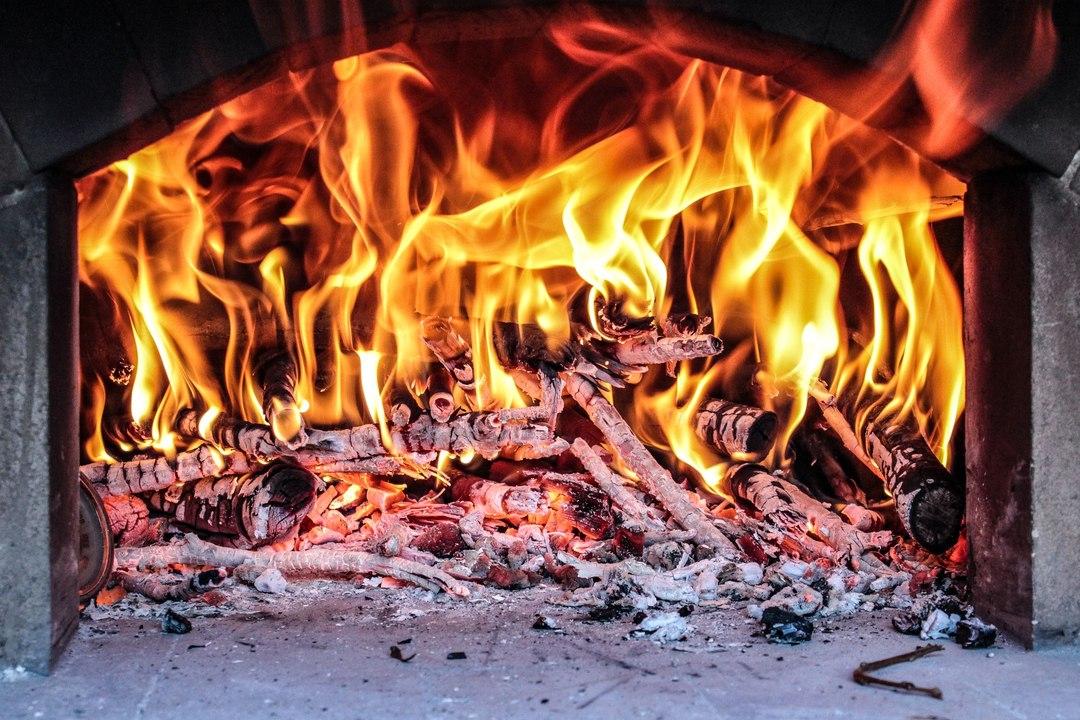
Gas fireplaces across a building, checked unit by unit
Plan a building visit
Give the property address, the number of fireplaces and whether they are all gas. We call back to plan the order of units.
One gas checklist, unit by unit
Each fireplace is scored on identical points, so the report compares like with like across the building.
- Pilot: lights, holds and burns a steady flame.
- Valve and controls: the knob, switch or remote works, and the gas shuts off when it should.
- Burner and logs or media: placed as the maker intended, ports clear.
- Glass and door: no cracks, gasket sound, latches holding.
- Vent: the termination outside is clear, intact and not blocked by plants or later work.
- Room air: a carbon monoxide reading with the unit running.
Why buildings need a schedule
Sealed gas units in multi-unit buildings fail in quiet ways. A pilot that soots the glass, a vent cap that a gardener packed with leaves, a door gasket that has gone brittle. A tenant may not notice, or may stop using the fireplace and never mention it. Checking every unit on the same visit catches these before they become complaints.
Some older buildings in the area still have masonry chimneys serving gas logs or inserts. Those get the same gas checklist plus a look at the shared chimney from the roof. Where the camera is needed on a flue, we say which ones and why.
How the report is set out
The report opens with a summary table: each unit, its fireplace type, and whether it passed, needs attention soon, or should stay off until repaired. Each unit then has its own page with photos and notes. Board members can read the summary; the maintenance team can work from the unit pages.
Units with a fault that makes the fireplace unsafe to use are flagged on the day, so the manager can tell the occupant straight away.
Access and planning
The visit runs smoothly with a list of units, notice sent to occupants by the manager, and a key or a staff member for units where nobody will be home. We plan the route through the building with you before the day.
Per-fireplace prices
Building visits are priced by the number of fireplaces. Most gas units need the visual check; a camera run is added only for flues that call for it.
- Gas checklist and visual check, each fireplace
- $56
- Camera run on a flue that needs a closer look
- $400
- Sweep for a masonry flue still in use
- from $430
Repairs found in individual units are listed in the report and priced separately.
Building and HOA questions
Do all units have to be done on one day?
No. Large properties can be split across visits. The report is built up as units are done and finished when the last one is in.
What if a unit's fireplace has been disconnected?
We note it as disconnected and check that the gas is capped properly and the vent opening is closed off outside.
Can owners in an HOA get their own unit page?
Yes, if the association agrees. Each unit page stands on its own, so it can be shared with that owner alone.
Do you repair the faults you find?
Yes. Common gas faults such as a failed pilot sensor or a worn door gasket can often be dealt with on a follow-up visit, priced in writing first.
How often should a building be checked?
Once a year before the cool months is a sensible rhythm for gas units, and also when a unit changes occupant.
Plan the building inspection
Send the address, the fireplace count and the type of units through the contact page. We call back to plan the visit and price it per fireplace.
Call (562) 449-0694