The winter rule behind many switches
Paramount sits inside the South Coast Air Quality Management District, the regional air agency for most of Los Angeles and Orange counties and the urban parts of Riverside and San Bernardino counties. Its Rule 445 governs wood-burning devices: open fireplaces, wood stoves and wood inserts. For a lot of owners we visit, the rule is what finally tips them toward gas.
This post covers what the rule means for a house with a wood fireplace, why gas units are treated differently, and what a switch involves once you decide to make it.
No-burn days
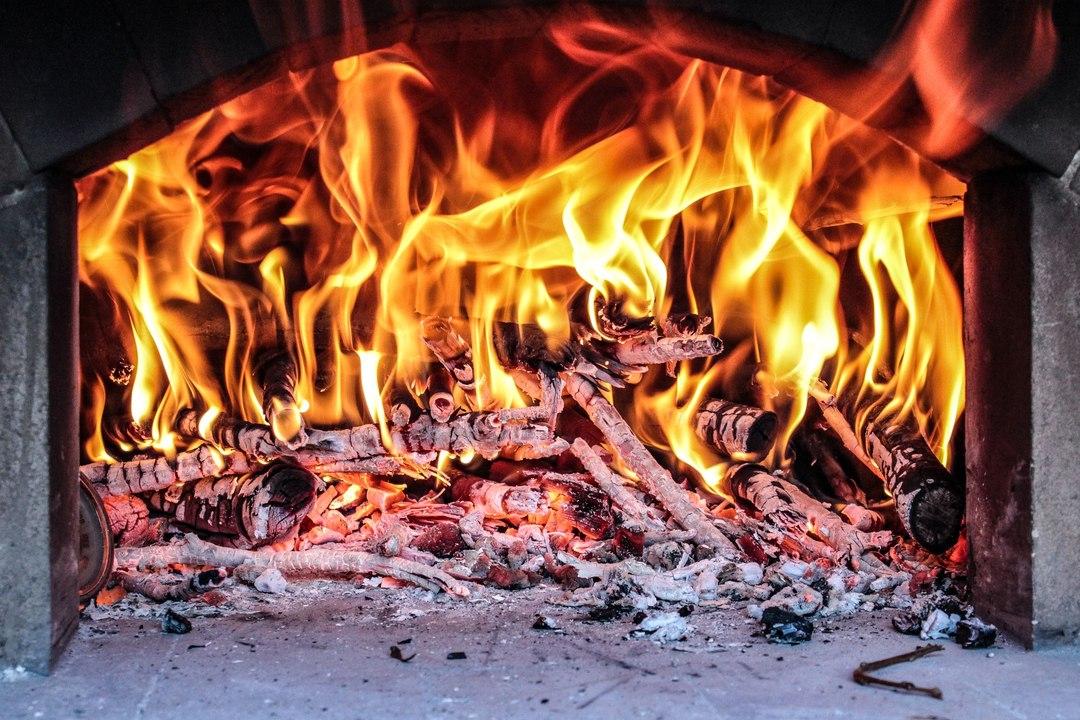
From November through February, the district forecasts air quality each day. When fine particle pollution is expected to be high, it declares a mandatory no-burn day for its area, and burning wood indoors or out is not allowed that day. The forecast is posted on the district site and sent through its alerts.
That leaves wood burners guessing. You plan a fire for a cold Saturday, check the forecast and find you cannot light it. Over a whole winter, that can add up to many evenings with a dark fireplace.
Why gas keeps running
The no-burn days target wood smoke. Fireplaces and inserts that burn natural gas are not caught by them, so a gas unit can be lit on a day when the neighbor's wood fire cannot. For owners who want a reliable fire on the coldest nights of the year, that is the plain appeal of a switch.
We do not give legal advice, and the district updates its rules from time to time. If you have a question about a specific day or device, the district site is the place to check.
New homes and additions
Rule 445 also bars permanently installed wood-burning devices in most new construction within the district. That is why many newer homes and additions around Los Angeles County have gas fireplaces only. If you are adding a room and want a fireplace in it, gas is the route we price. A sealed unit with its own vent, built where there has never been a fireplace, runs $4,600 to $9,250 on this site.
Three ways to switch
Owners going from wood to gas have three choices. A log set sits in the open firebox and keeps the old look; the price follows the firebox size and the set chosen. A sealed insert slides into the firebox and vents through new pipe in the chimney; our installed range is $2,850 to $5,750. A wall unit with its own vent needs no chimney at all; that is the $4,600 to $9,250 range above. Our comparison of the three goes deeper.
The inspection before the switch
Changing the fuel a chimney serves is one of the events NFPA 211 ties to a Level 2 inspection. Ours costs $400. The camera runs the length of the flue on video, and we look at the crown, the top courses of brick and the stack where it passes through the attic.
Why bother if the old flue will barely be used? Because logs still send exhaust up it, and an insert still threads pipe through it and hangs a cap on top of it. A chimney with a broken crown, a gap at the roofline or tiles that have dropped into the smoke chamber needs that fixed first. Gas exhaust carries a lot of water vapor; in a cold, oversized flue it can condense on the walls and soak the mortar near the top. Knowing the condition before the work starts avoids paying twice.
If you just want a look before deciding, a Level 1 visual check is $56. If the chimney has not been swept since the last wood fire, a sweep from $430 clears the soot and tar before any pipe goes in.
What sets the price of your switch
Once the chimney has been looked at, the quote depends on a few things:
- Which of the three options you choose, and the model.
- Whether gas already reaches the hearth, and how far a new line has to run if not.
- Whether the unit needs power near the fireplace.
- How tall the chimney is, for an insert's vent pipe.
- Any chimney repair the camera found.
- The surround and finish you want around the opening.
You get these on paper as separate lines, with the total at the bottom. Tell us on the form which option you lean toward and when the chimney was last looked at.
Ask for a gas conversion visit and say about how old the house is.
Ventura and other districts
This post is about the South Coast district, which covers Paramount and the cities around it. Ventura County has its own air district with its own rules, so a house there follows a different set.
Owners ask
Can I still use the wood fireplace on days that are not no-burn days? Yes, as long as it is in working order. The rule limits when, not whether.
Does switching to gas need the old chimney removed? No. Logs and inserts use it. Only a wall unit ignores it, and then the old chimney can be capped and left in place.
Do you handle the gas repair after the switch? Yes. See gas fireplace repair.
Next
If the next no-burn season is the push you needed, reach us through the contact page. Say what is in the fireplace now and which of the three gas options appeals, and we set up the inspection and the measuring visit together.
Want the Options Priced for Your House?
Chase Chimney Solutions visits homes around Paramount to measure the firebox, check the flue and gas supply, and write up each gas option with what it costs and what the chimney needs first.